Draw the Same Thing Over and Over (And Watch It Evolve)
Feb 28, 2026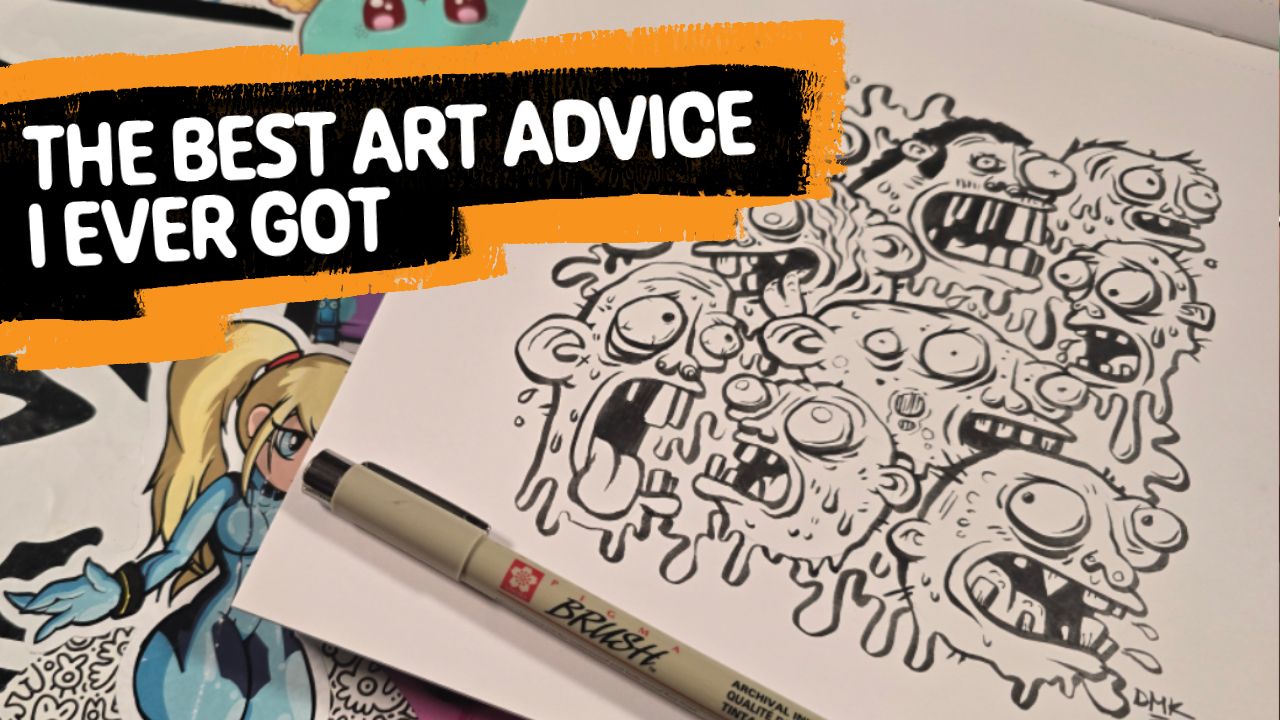
Most artists assume that improvement comes from constantly chasing new ideas. In my experience, the biggest growth comes from returning to the same idea repeatedly and allowing it to evolve. The best advice I ever received was to keep drawing the same thing over and over again. Not because repetition is safe, but because repetition reveals depth.
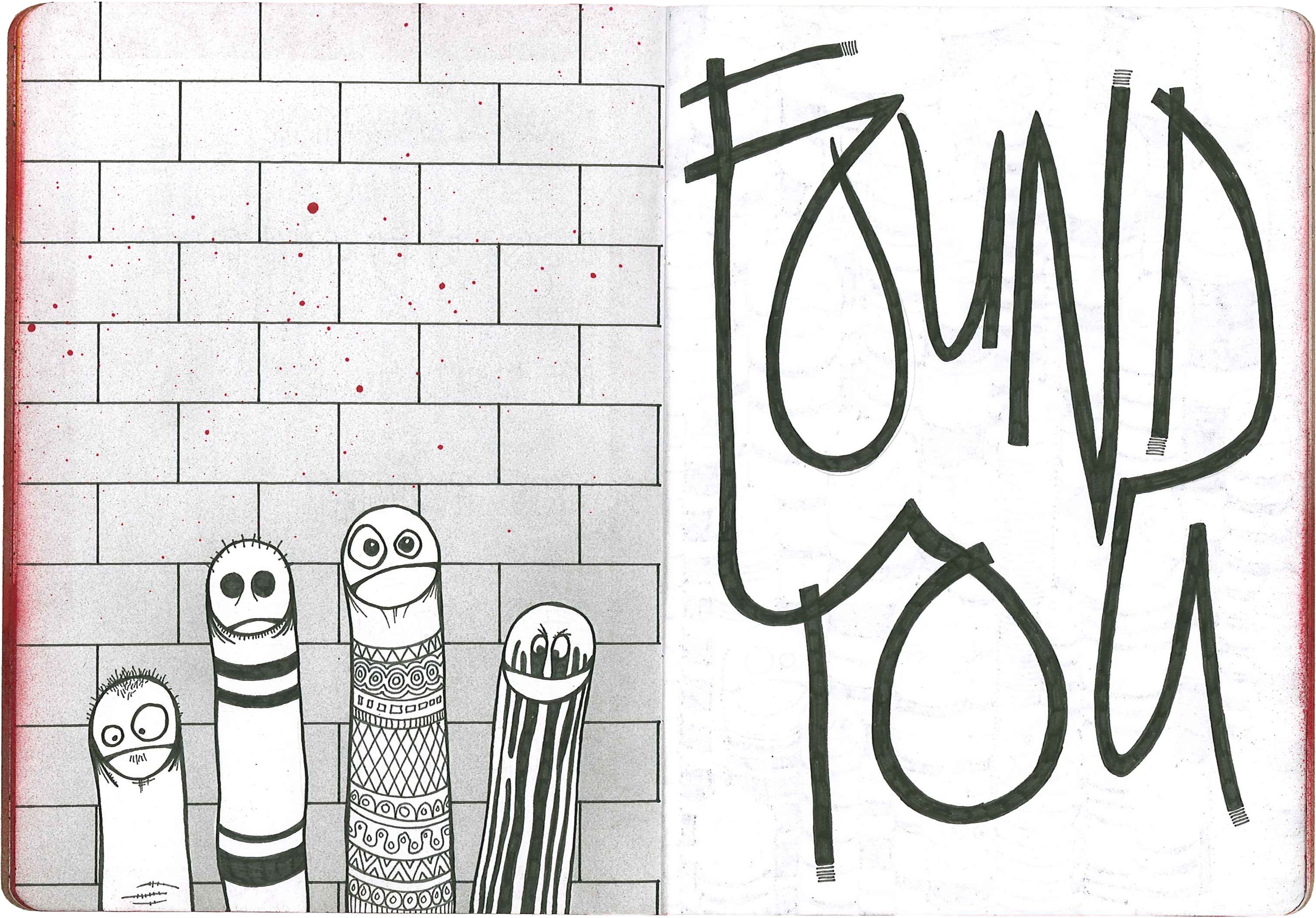
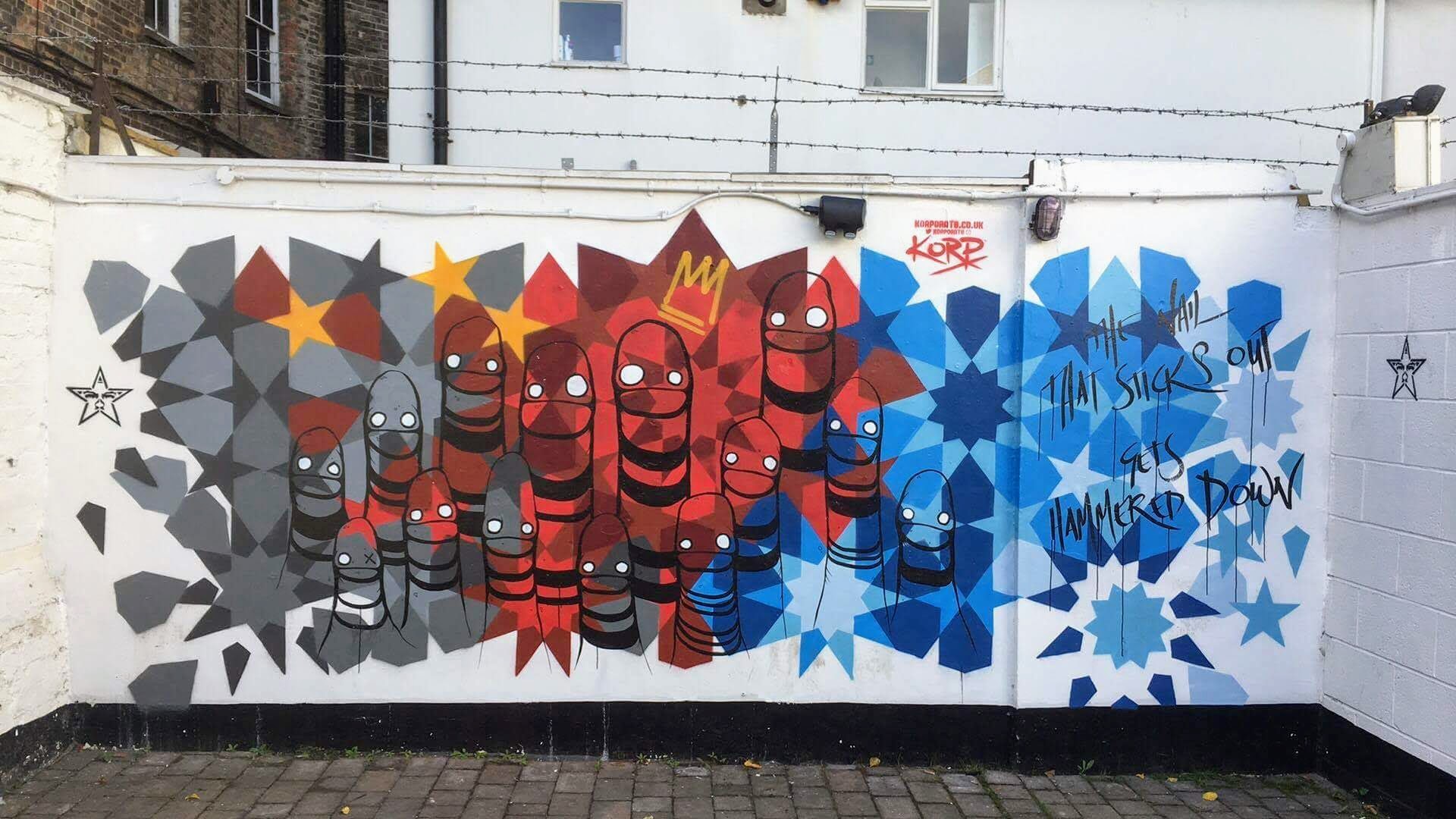
When I first started drawing what would become the Korpworms, they were little more than an outline of my finger with a face on it. There was no elaborate backstory, no refined design process. I traced around my finger, added eyes and a mouth, and that was enough to begin. The key was that I did not abandon it after one attempt. I drew it again. And again. Each time I made small adjustments without overthinking them. Eventually feathers appeared. Later, arms. Then legs. The characters became more complex not because I reinvented them, but because I allowed slight changes to accumulate over time.
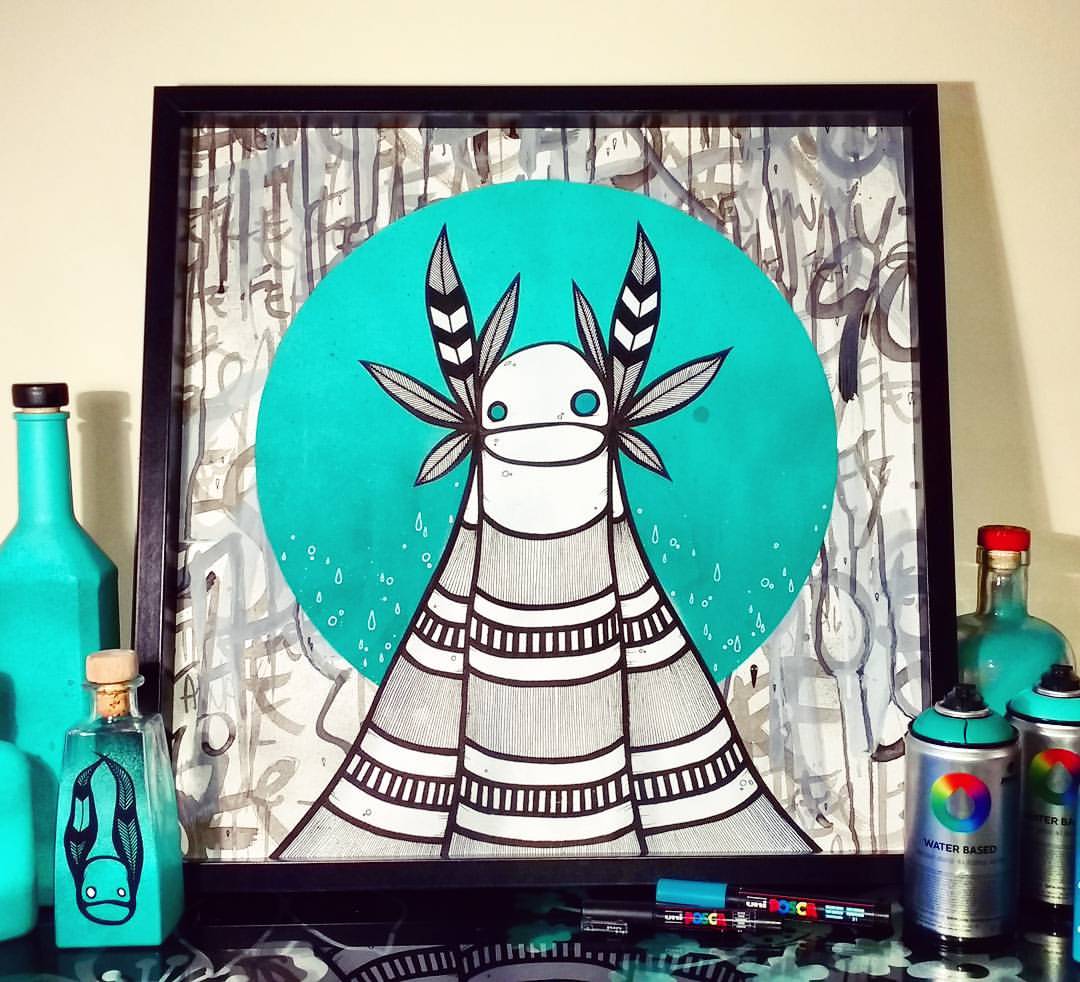
This is the quiet power of repetition. When you draw the same subject repeatedly, the structure becomes familiar. You no longer spend your energy wondering where to place the eyes or how to begin the outline. That foundation settles into your muscle memory. Once that happens, experimentation becomes natural. You start to push proportions, exaggerate features, and introduce personality in subtle ways. Those small variations compound. What began as something simple gradually develops character and confidence.
In the video tutorial below, I demonstrate this principle through a typical Doodle Club session. The aim of the session is straightforward: draw a page full of zombies that are technically the same zombie, but vary them by adjusting the initial pencil shapes and small details along the way. We begin by containing everything inside a rough square and filling that space with overlapping head shapes. The circles are not identical. Some are tall, some wide, some irregular. Those small differences in the starting guide shapes immediately set the stage for variation.
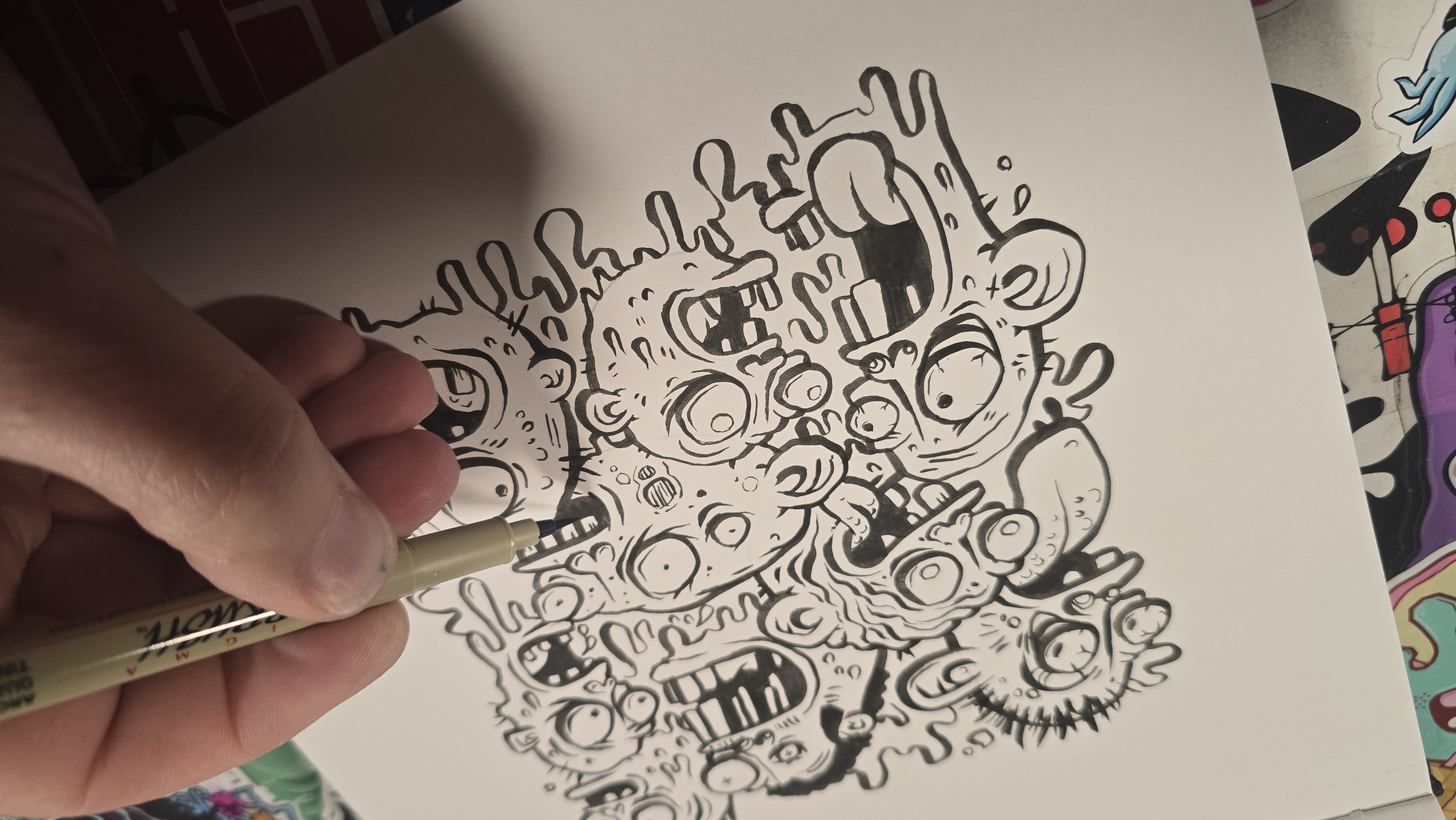
From there, the process remains consistent. Eyes first, then ears, then a W-shaped nose, followed by the mouth. After the main features are in place, we cycle back through to add detail: pupils, wrinkles, teeth, tongues, shadows, and small textural marks. Finally, we make the character watertight by running a loose, wonky outline around the entire head and filling in any remaining gaps with drips, scars, hair, or marks. The order does not change, but the results do.
Because the process stays the same, speed increases naturally. The first zombie might take ten minutes. The next takes six. Then four. As confidence grows, so does variation. One zombie ends up with a massive tongue hanging out. Another has three eyes. Some have thin, delicate teeth; others have chunky blocks. Some are hidden behind overlapping heads and therefore simplified. Others have space for exaggerated ears or extra drips. The consistency of the method provides stability, while the small adjustments create personality.
What matters here is not the zombie itself. It is the structure behind it. By repeating the same sequence—eyes, ears, nose, mouth, outline—you remove the mental load of deciding what to do next. That frees you to experiment within the framework. You begin pressing harder under shadows, lifting the pen for thinner lines, using the brush pen’s flexibility to create double wonky lines in a single stroke. The drawing becomes looser, faster, and more confident because the underlying process is secure.
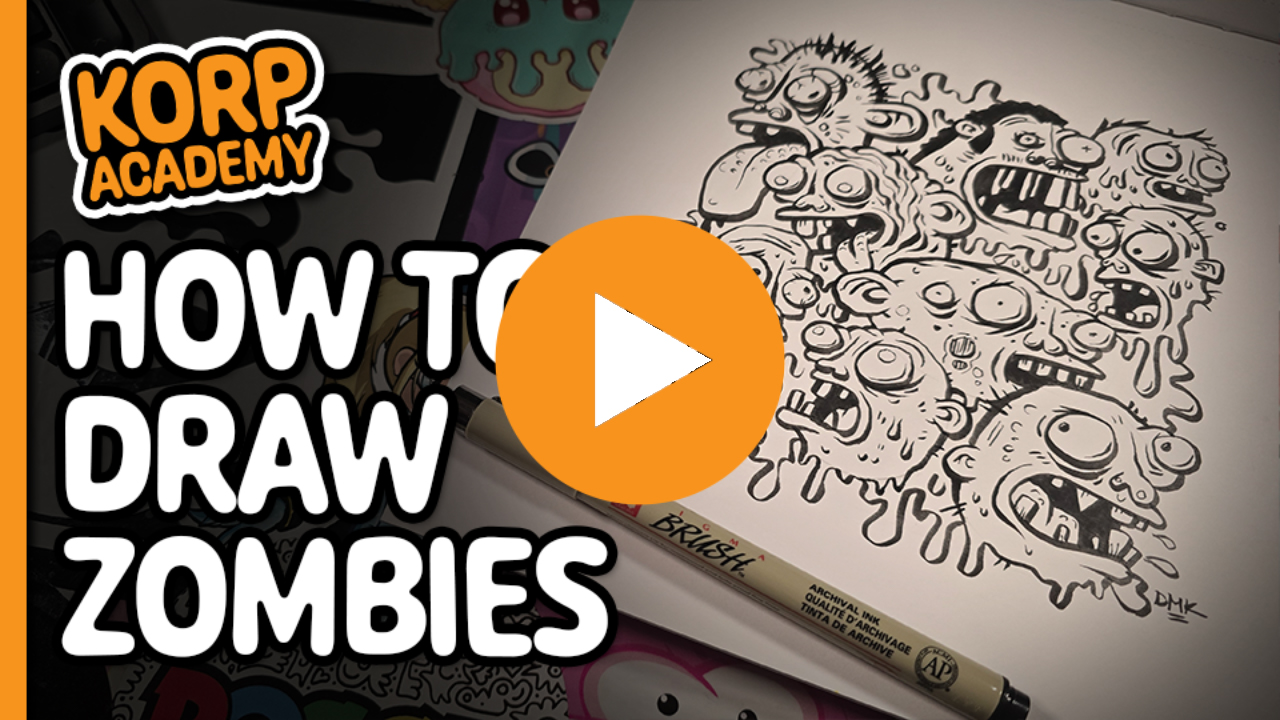
This is exactly how I teach inside the Korp Academy. The focus is not on producing one perfect image. It is on understanding a repeatable process deeply enough that you can adapt it endlessly. When you follow the same steps again and again, you stop chasing perfection and start building skill. The repetition is not restrictive; it is liberating. It gives you a reliable starting point every time you sit down to draw.
If you are trying to improve, choose one subject and commit to it for a period of time. Draw it daily. Make small changes. Adjust proportions. Add new details. Keep the process consistent, but allow the outcome to shift. You will likely find that your line work becomes more decisive, your confidence steadier, and your style less accidental.
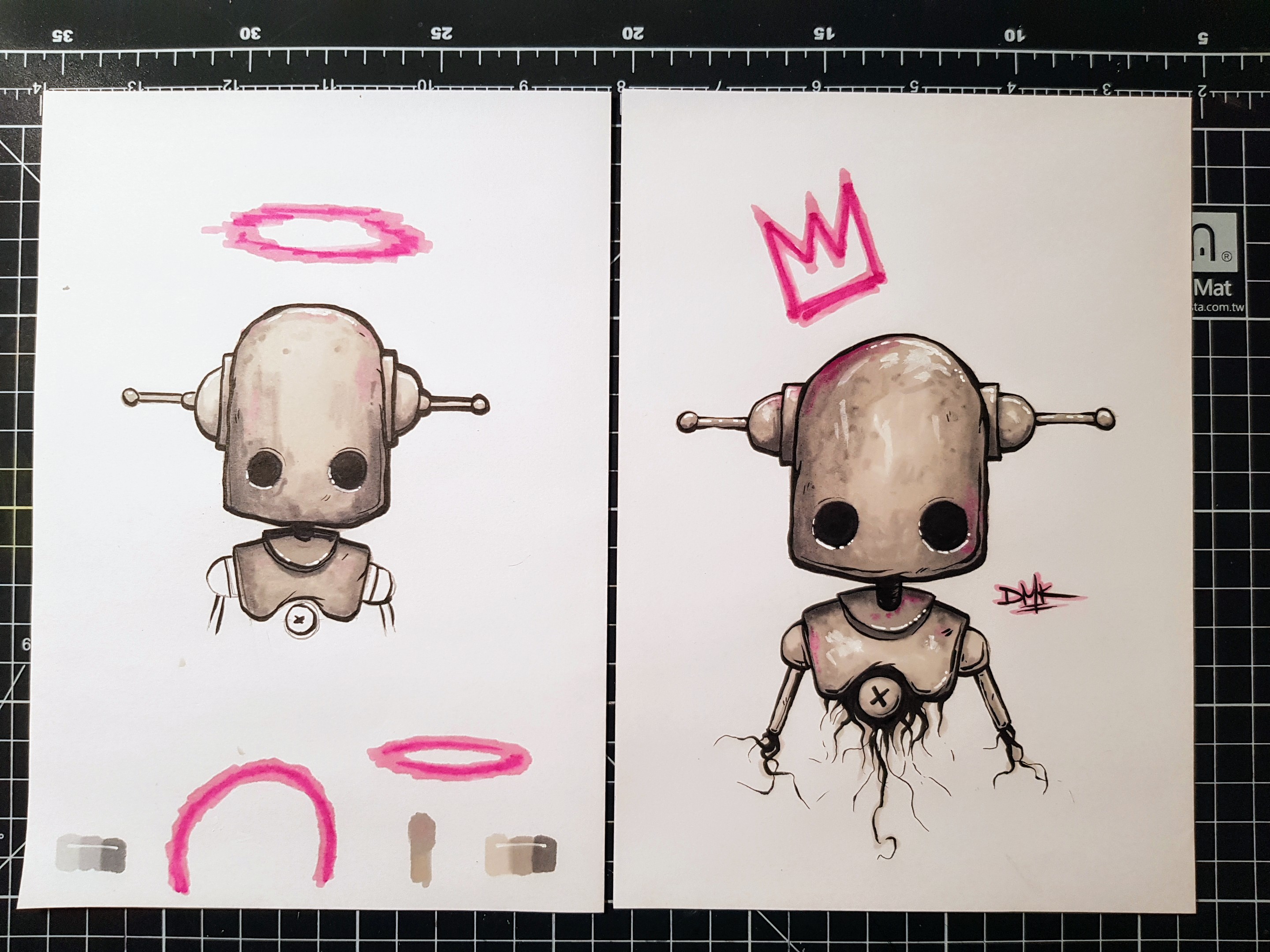
Improvement in art is rarely dramatic in a single session. It is cumulative. When you draw the same thing over and over again, you create the conditions for that accumulation to happen. The blank page becomes less intimidating because you are not searching for something new; you are continuing something already in motion. Over time, those slight adjustments transform a simple idea into something far more developed than you could have designed in one sitting.
- Korp